Skip to content
Labcolor
  • Home
  • Colour Science
  • Materials
  • Practice
  • About
  • Contact

Materials

Colour in Cosmetics and the Problem of Skin Tones
September 10, 2026August 21, 2026 by Labcolor Editorial
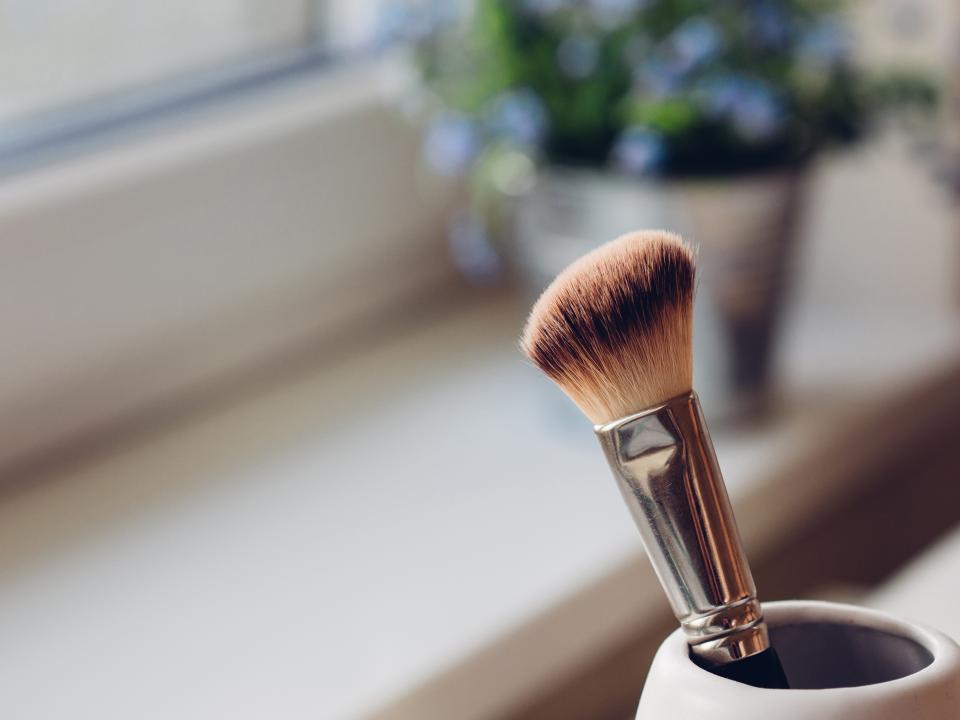
Close detail of a cosmetics brush

The hardest colour matching problem in consumer goods Almost every colour reproduction task in industry involves matching a manufactured surface to a manufactured standard. Cosmetics face something considerably … Read more
Categories Materials

Colour in Plastics: How Mass-Produced Objects Get Their Colour

June 26, 2026 by Labcolor Editorial
Coloured plastic packaging

Colour that is made, not applied A painted object gets its colour last. A moulded plastic object gets its colour first, in a compounding plant, weeks or months … Read more

Categories Materials

How Colour Ages: Fading, Patina and Restoration Decisions

September 10, 2026May 15, 2026 by Labcolor Editorial
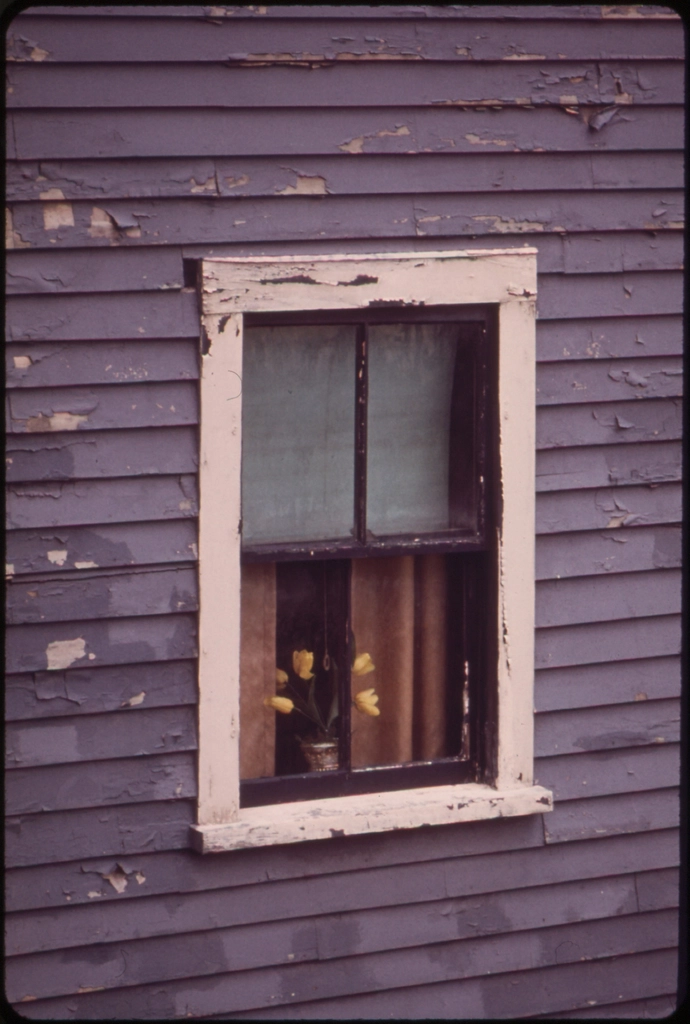
Weathered painted timber cladding with peeling paint

Nothing keeps its colour Every coloured object is on a trajectory. Pigments break down under light, binders yellow, metals grow oxide layers, dyes migrate, and stone darkens with … Read more

Categories Materials

Printing Inks and Substrates: Why the Same File Prints Differently

March 20, 2026 by Labcolor Editorial
Sheets of textured white paper

The same file, three printers, three different results Anyone who has sent identical artwork to two suppliers knows the experience: the proofs come back and they are not … Read more

Categories Materials

Colour and Food: Appearance, Appetite and Regulation

September 10, 2026March 6, 2026 by Labcolor Editorial
Brightly coloured iced biscuits

Eating starts with looking Long before anything reaches the tongue, a judgement has been made. Colour tells us whether fruit is ripe, whether meat has turned, whether bread … Read more

Categories Materials

Natural Dyes and Sustainable Colour: What Is Actually Greener

January 24, 2026 by Labcolor Editorial
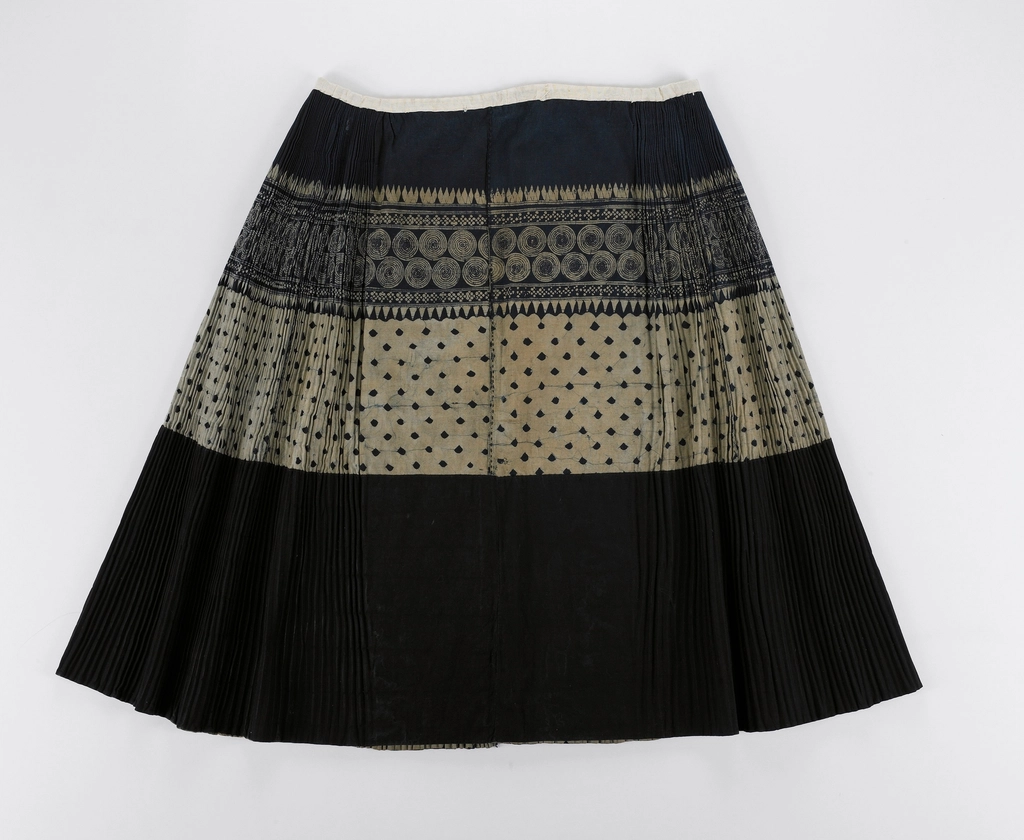
Indigo resist-dyed cotton textile

Natural does not mean harmless The story is appealing and it sells: before industry, dyers used plants, insects and minerals, and colour was in harmony with the land. … Read more

Categories Materials

Pigments and Dyes: Where Colour Physically Comes From

September 10, 2026December 19, 2025 by Labcolor Editorial
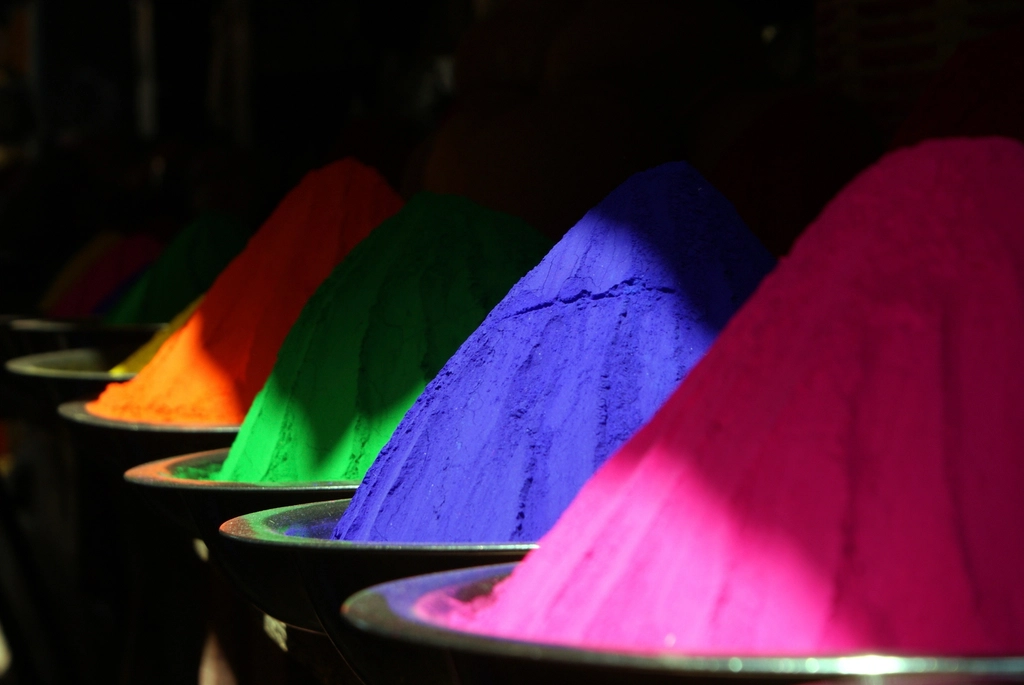
Heaps of vivid pigment powder

Colour as chemistry Strip away perception and measurement and a physical question remains: why is a particular substance the colour it is? The answer lies in the electronic … Read more

Categories Materials

Colour in Textiles and Fashion: Dyeing, Fastness and Seasonal Palettes

December 6, 2025 by Labcolor Editorial
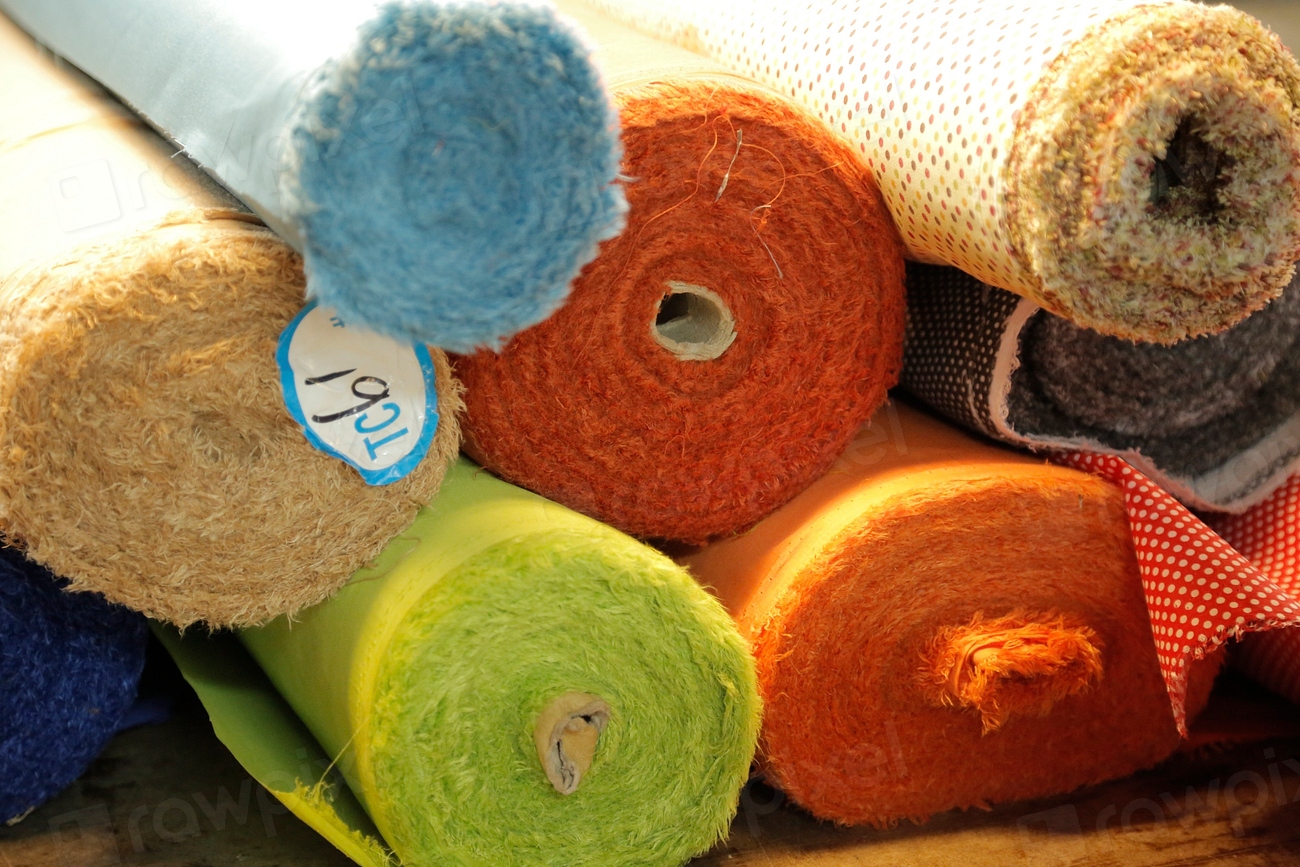
Rolls of brightly coloured yarn and fabric

Cloth is the hardest place to put colour Printing colour onto paper is a controlled problem: a flat, uniform substrate, a known ink set, a finished object that … Read more

Categories Materials

Recent Posts

  • What Is the Opposite Color of Pink? Which Answer Fits Your Project
  • What Color Is Apricot? Shades, Codes and How to Use It
  • The Periodic Table Color-Coded: How Element Groups Get Their Hues
  • How metamerism fashion causes fabric color shifts
  • Colour in Cosmetics and the Problem of Skin Tones

Categories

  • Colour Science
  • Materials
  • Practice
© 2026 Labcolor • Built with GeneratePress
We use cookies to ensure that we give you the best experience on our website. If you continue to use this site we will assume that you are happy with it.